
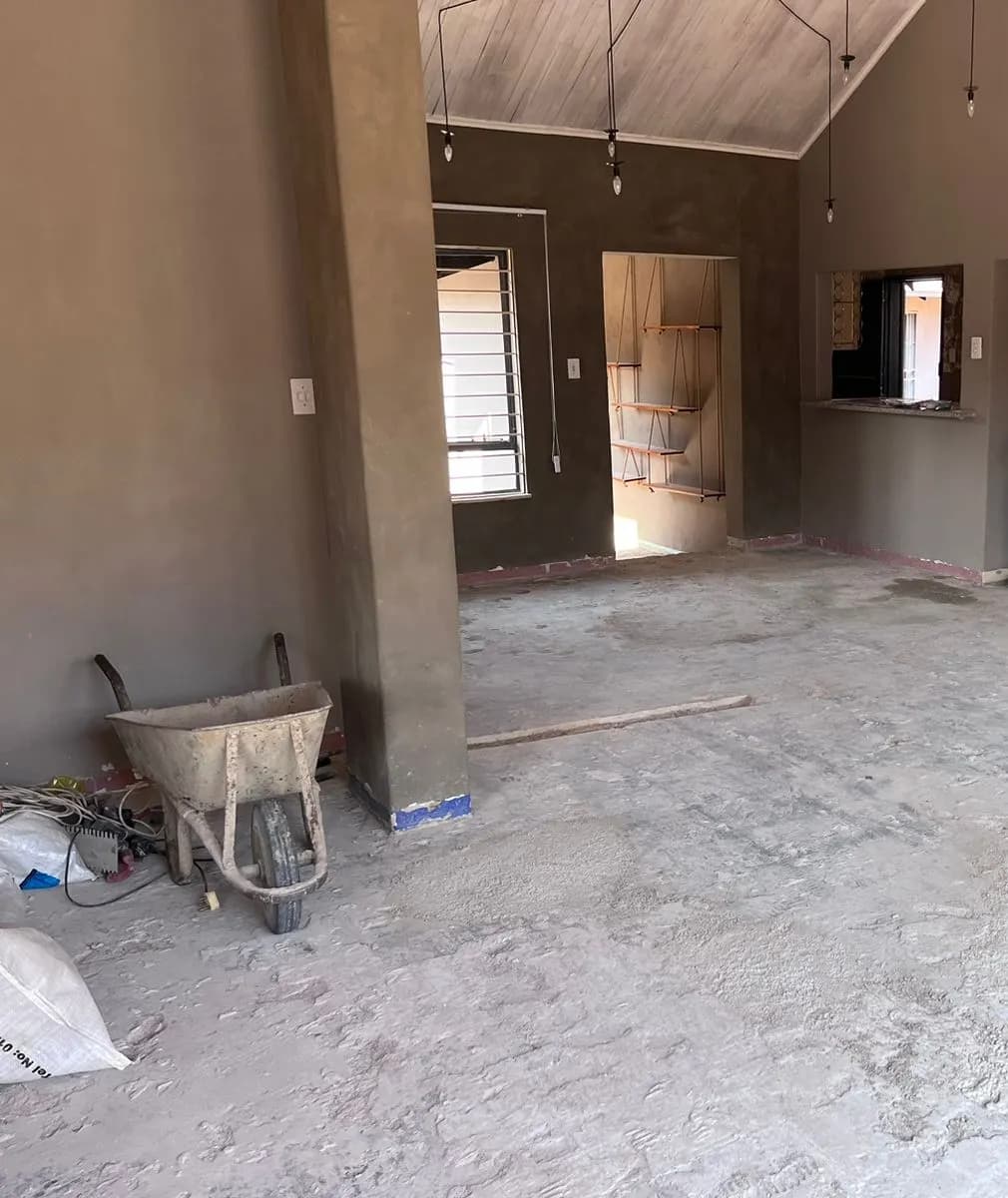
Renovating while living in the house is a common consideration when planning a major upgrade. On paper, it looks cheaper and more convenient. In reality, the size of the project, the layout of the home, and family circumstances play a far bigger role than most people expect.
From experience with full home renovations, this decision directly affects timelines, stress levels, workmanship quality, and overall cost control.
Homeowners often underestimate the disruption caused by construction noise and dust. It’s essential to establish clear boundaries and communicate openly with your contractor. Creating a designated living space away from the renovation zone helps maintain some normality, and a realistic budget that includes unforeseen expenses makes the whole experience smoother.
Living in the house during a renovation
Staying at home can work for smaller or phased projects, but it requires careful planning and clear communication among family members. Set expectations for noise and mess to avoid surprises.
Advantages
- No temporary accommodation costs
- Easy access for daily decisions
- Practical for single-room renovations
For example, a single bathroom upgrade or a small kitchen refresh can often be managed if the rest of the house remains functional. If you’re renovating the kitchen, setting up a temporary kitchen in another part of the house takes away much of the inconvenience.
Disadvantages
- Constant dust and noise
- Restricted access to rooms and walkways
- Higher stress for families
- Safety risks, especially for children
- Slower progress due to daily clean-ups
On large renovations, even good dust control does not remove disruption. Over time, this leads to frustration, rushed decisions, and extended timelines.
Moving out during a renovation
For full-scale projects, moving out is often the smarter option.
Advantages
- Faster construction timelines
- Trades work without daily interruptions
- Reduced risk of damage to furniture and personal items
- Better coordination between trades
- Higher overall quality of finish
With no one living on site, plumbing, electrical, flooring, and structural work can follow the correct sequence without compromise.
Considerations
- Temporary accommodation costs
- Planning required before work starts
While moving out adds short-term cost, it often reduces total project cost by preventing delays and rework. Even if you move out, regular check-ins with your contractor keep you up to date and make sure your vision is being realised.
The hybrid option: splitting the house
In certain layouts, living in the house during a renovation can be made easier by dividing the home into work zones.
A practical site example:
- Install an additional door early
- Create direct access between a bedroom and bathroom
- Seal off the construction zone
- Start work from the back of the house
This approach allows the family to live more comfortably while work continues elsewhere.
This option works best when:
- The layout allows clear separation
- Plumbing and electrical routes are planned early
- Work is scheduled in defined phases
It requires careful planning but can significantly reduce daily disruption. Temporary walls or dividers help isolate the work areas, minimising noise and keeping dust contained.
When staying in the house makes sense
- One bathroom or kitchen at a time
- No structural alterations
- Minimal plumbing and electrical rerouting
- Clear separation between living and work areas
In these cases, staying in the house can be practical and cost-effective. See how we approach bathroom renovations.
When moving out is strongly recommended
- Full home renovations
- Structural changes
- Multiple bathrooms renovated at once
- Flooring replaced throughout the house
- Major electrical and plumbing upgrades
Attempting to live in the house under these conditions usually increases stress and slows progress. Our Centurion renovation, where the floors were lifted and re-tiled through the living area, is a good example of work that is far easier with the house empty.
Our professional recommendation
For large projects, living in the house during the renovation often proves more complex than expected. The dust, noise, and disruption affect daily routines and family dynamics. A thorough pre-renovation plan makes the process far more manageable.
If staying in the house is unavoidable, early planning is essential. Access points, work zones, and realistic timelines must be agreed on before work begins. Setting up a quiet zone where family members can retreat also helps.
Whether you stay or move out, proper planning, communication, and flexibility make the biggest difference to the result. Contact us to talk through the best approach for your home.